data driven marketing

Uncategorized

Future of Digital Marketing: Proven Strategies to Win

 The Future of Digital Marketing: Proven Tactics to Outperform Your Competitors Digital marketing evolves faster than most businesses can adapt. However, smart brands stay ahead through strategy and execution. They focus on performance, data, and customer experience. As a result, they consistently outperform competitors. The future of digital marketing belongs to agile companies. Therefore, you must understand what truly drives growth. ## Data-Driven Marketing Strategy Wins Every Time Successful brands rely on data, not guesswork. They track user behavior across every channel. Consequently, they make informed decisions quickly. Analytics tools reveal patterns in customer journeys. Moreover, predictive insights highlight future opportunities. Businesses that measure performance improve faster. A/B testing becomes a standard practice. Meanwhile, real-time dashboards guide campaign optimization. Therefore, marketing budgets produce stronger returns.   Data removes uncertainty from strategic planning. In contrast, assumptions slow growth and waste resources. AI and Automation Increase Efficiency and Scale Artificial intelligence transforms digital marketing operations. Brands automate repetitive tasks immediately. As a result, teams focus on creative strategy. AI improves personalization across websites and emails. Furthermore, chatbots deliver instant support around the clock. Customers receive fast responses without delays. Automation nurtures leads consistently. Meanwhile, behavioral triggers increase conversions automatically. Therefore, sales pipelines grow without manual effort. Companies that adopt AI scale faster. In comparison, traditional workflows limit expansion.  Content Marketing Focused on Search Intent Search engines prioritize relevance and user satisfaction. Therefore, content must match search intent precisely. High-performing brands research keywords deeply. They create value-driven blog posts and landing pages. Additionally, they optimize headlines and metadata carefully. Long-form content builds authority in competitive niches. However, clarity remains more important than length. Clear answers improve engagement instantly.   Structured data increases visibility in search results. As a result, organic traffic grows steadily. Content marketing remains a powerful long-term asset. Omnichannel Presence Builds Brand Authority Customers interact with brands on multiple platforms daily. Therefore, consistency becomes essential. Smart businesses align messaging across channels. Social media supports email campaigns effectively. Meanwhile, paid advertising reinforces organic efforts. Every channel works together seamlessly. Customer relationship management systems track every interaction. Consequently, brands understand complete customer journeys.   An omnichannel strategy increases trust significantly. In contrast, fragmented messaging confuses potential buyers.   ## High-Converting Video Marketing Strategies Video marketing dominates digital platforms today. However, strategy determines real impact. Brands focus on short, engaging formats. Storytelling captures attention within seconds. Moreover, captions improve accessibility and retention. Live streaming creates authentic connections with audiences. Meanwhile, educational videos position brands as experts. Therefore, engagement and conversions rise together. Shoppable video features reduce purchase friction. As a result, viewers turn into customers quickly. Conversion Rate Optimization for Sustainable Growth Traffic alone does not guarantee revenue. Therefore, conversion rate optimization becomes critical. Brands analyze landing pages carefully. They test headlines, visuals, and calls to action. Consequently, small changes generate significant improvements. Clear value propositions reduce bounce rates. Meanwhile, trust signals increase purchase confidence. Fast-loading pages enhance user experience dramatically. As a result, businesses maximize every visitor’s potential. ## Building Communities Instead of Just Audiences The future of digital marketing values relationships over reach. Smart brands build engaged communities. They create private groups and loyalty programs. Community members share feedback and testimonials openly. Consequently, brands gain organic promotion effortlessly. User-generated content strengthens authenticity. Meanwhile, referral programs encourage repeat purchases. Communities reduce customer acquisition costs significantly. Therefore, long-term profitability increases. Ethical Marketing and Transparent Communication Consumers demand honesty and responsibility from brands. Therefore, transparency becomes a competitive advantage. Clear messaging builds trust immediately. Moreover, ethical practices attract loyal customers. Brands that communicate openly strengthen reputation. Meanwhile, misleading claims damage credibility permanently.   Sustainable practices influence purchasing decisions strongly. As a result, ethical marketing drives measurable growth. ## Agility and Continuous Optimization Define Success The digital landscape shifts constantly. Therefore, agility determines survival. Winning brands monitor trends closely. They adjust campaigns based on performance data. Furthermore, they experiment with new platforms quickly. Continuous optimization ensures long-term competitiveness. Meanwhile, complacency leads to decline. The future of digital marketing rewards bold action. Brands that combine strategy, technology, and creativity dominate their industries To outperform competitors, focus on data, personalization, and seamless experiences. Act decisively and optimize relentlessly. Success belongs to marketers who evolve consistently.  
Uncategorized

Digital Marketing Trends 2026: What Smart Brands Are Doing Differently to Win Big

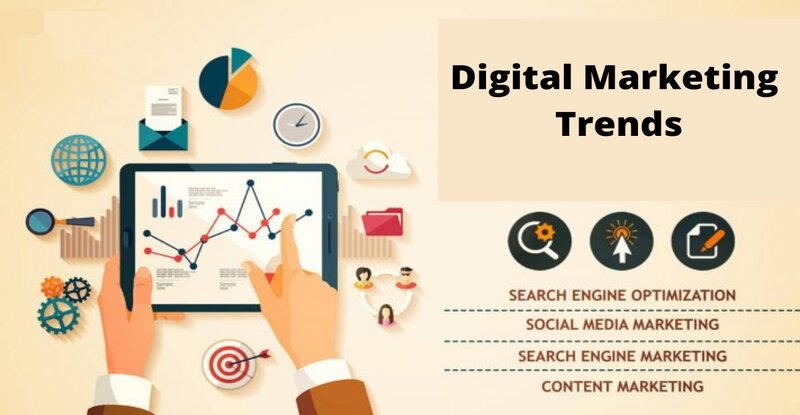
 # Digital Marketing Trends 2026: What Smart Brands Are Doing Differently to Win Big Digital marketing in 2026 moves faster than ever before. Brands now compete in crowded and intelligent ecosystems. Therefore, only adaptive companies achieve sustainable growth. Smart brands no longer chase trends blindly. Instead, they build systems that drive predictable results. AI-Powered Personalization Is Dominating Customer Experience Artificial intelligence now fuels every serious marketing strategy. Brands use predictive analytics to anticipate customer behavior. Consequently, campaigns feel personal and timely. AI tools analyze browsing patterns in real time. As a result, websites adjust content instantly. Email sequences also change based on engagement signals. Moreover, dynamic pricing improves conversion rates significantly. Smart brands automate segmentation for precision targeting. Therefore, marketing budgets generate higher returns. Personalized experiences build loyalty quickly. In contrast, generic messaging loses attention immediately. Brands that invest in AI personalization outperform competitors consistently. First-Party Data Strategies Replace Third-Party Tracking Privacy regulations continue to reshape digital advertising. Meanwhile, third-party cookies disappear across major platforms. Smart brands therefore prioritize first-party data collection. Companies now build direct relationships with their audiences. For example, gated content captures qualified leads. Loyalty programs also gather valuable behavioral insights. Additionally, interactive quizzes provide deep customer understanding. As a result, brands create compliant and accurate targeting models. Email marketing regains strong momentum. However, segmentation now relies on owned data sources. Businesses that control their data control their future growth. Privacy regulations continue to reshape digital advertising. Meanwhile, third-party cookies disappear across major platforms. Smart brands therefore prioritize first-party data collection. Companies now build direct relationships with their audiences. For example, gated content captures qualified leads. Loyalty programs also gather valuable behavioral insights. Additionally, interactive quizzes provide deep customer understanding. As a result, brands create compliant and accurate targeting models. Email marketing regains strong momentum. However, segmentation now relies on owned data sources. Businesses that control their data control their future growth.  Short-Form Video Content Drives Massive Engagement Video remains the most engaging content format. However, attention spans continue to shrink. Therefore, short-form videos dominate social platforms. Brands focus on storytelling within seconds. Consequently, content hooks viewers immediately. Authenticity matters more than polished production. User-generated content builds trust quickly. Meanwhile, behind-the-scenes clips humanize brands effectively. Smart companies invest heavily in vertical video strategies.   Furthermore, shoppable videos increase direct conversions. Consumers buy without leaving the platform. As a result, revenue funnels become shorter and more efficient. Conversational Marketing Through AI Chat and Voice Search Consumers expect instant communication today. Therefore, conversational marketing becomes essential. AI-powered chatbots handle complex queries efficiently. These bots operate twenty-four hours daily. Consequently, customer satisfaction improves dramatically. Smart brands integrate voice search optimization into SEO strategies. Voice queries use natural language patterns. As a result, content must answer direct questions clearly. FAQ pages now target conversational keywords intentionally.   Moreover, messaging apps replace traditional contact forms. Customers prefer quick responses over long emails. Brands that respond instantly win trust immediately. Consumers expect instant communication today. Therefore, conversational marketing becomes essential. AI-powered chatbots handle complex queries efficiently. These bots operate twenty-four hours daily. Consequently, customer satisfaction improves dramatically. Smart brands integrate voice search optimization into SEO strategies. Voice queries use natural language patterns. As a result, content must answer direct questions clearly. FAQ pages now target conversational keywords intentionally.   Moreover, messaging apps replace traditional contact forms. Customers prefer quick responses over long emails. Brands that respond instantly win trust immediately. Omnichannel Marketing Creates Seamless Brand Journeys Customers move across multiple platforms daily. However, they expect consistent experiences everywhere. Smart brands therefore unify their messaging across all channels. Social media aligns with email campaigns. Meanwhile, paid ads mirror website landing pages. This consistency strengthens brand identity. Additionally, CRM systems connect every customer interaction. As a result, marketing teams track behavior holistically.   Offline and online experiences now blend smoothly. For example, QR codes bridge physical stores and digital platforms. Consequently, omnichannel strategies increase customer lifetime value. Influencer Marketing Becomes Data-Driven and Niche-Focused Influencer marketing continues evolving rapidly. However, mega influencers lose dominance gradually. Smart brands now collaborate with micro and nano creators. These smaller influencers generate higher engagement rates. Therefore, authenticity drives better conversions. Brands measure partnerships through performance data. Furthermore, affiliate tracking ensures measurable ROI. Campaigns now rely on analytics dashboards. As a result, influencer marketing shifts from awareness to revenue generation.   Long-term partnerships replace one-off promotions. Consequently, audiences trust recurring endorsements more deeply.  Search Experience Optimization Replaces Traditional SEO Search engines now prioritize user experience signals heavily. Therefore, SEO expands beyond keywords alone. Smart brands optimize for engagement and satisfaction. Page speed remains critical for rankings. Meanwhile, mobile-first design becomes mandatory. Interactive elements improve dwell time significantly. Moreover, structured data enhances visibility in rich results. Brands optimize for featured snippets intentionally. As a result, click-through rates increase organically.   Content must answer intent precisely. In contrast, keyword stuffing damages performance severely. Companies that focus on experience win higher search positions. Community-Led Growth Builds Sustainable Brand Authority Communities now shape brand perception strongly. Therefore, smart brands invest in owned communities. Private groups create deeper customer relationships. Members share feedback and experiences openly. Consequently, brands gain valuable product insights. Community discussions also generate organic content ideas. Additionally, referral programs reward loyal members. As a result, growth becomes self-sustaining.   Brands that nurture communities reduce acquisition costs. Meanwhile, engagement levels rise naturally. Community-led growth builds long-term competitive advantage.  Ethical Branding and Transparency Influence Buying Decisions Consumers demand transparency from companies. Therefore, ethical branding becomes non-negotiable. Brands openly share sourcing and sustainability efforts. Clear communication builds credibility quickly. Consequently, trust converts into repeat purchases. Companies highlight social responsibility initiatives prominently. Moreover, transparent pricing reduces friction during checkout. Honest marketing messages outperform exaggerated claims. As a result, reputation strengthens over time          The Future Belongs to Agile and Data-Driven Brands Digital marketing trends in 2026 reward agility. Smart brands test, measure, and optimize continuously. Therefore, experimentation becomes a daily habit. Data guides every strategic decision. Meanwhile, creativity differentiates winning campaigns. Companies blend

Scroll to Top